56 Results for "

Zanthoxylum simulans Hance

" in MedChemExpress (MCE) Product Catalog:
Products (56)

56 Results for "Zanthoxylum simulans Hance" in MCE Product Catalog:

4
4 Cited Publications
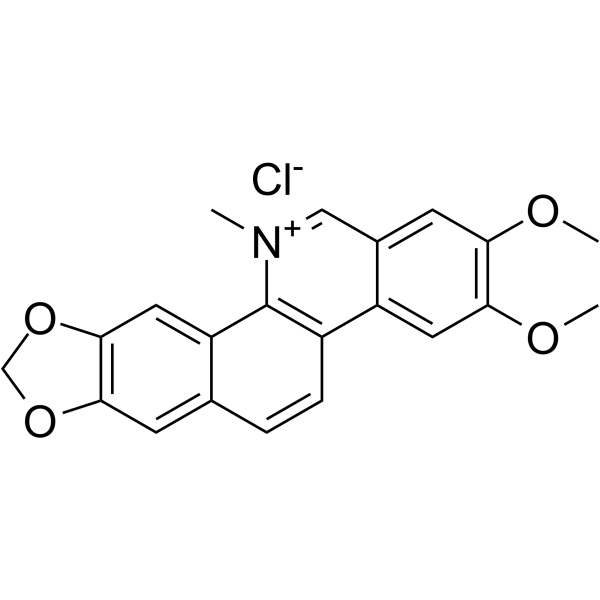
Cat. No.: HY-N0498
CAS No.: 13063-04-2
Nitidine chloride, a potential anti-malarial lead compound derived from Zanthoxylum nitidum (Roxb) DC, exerts potent anticancer activity through diverse pathways, including inducing apoptosis, inhibiting STAT3 signaling cascade, DNA topoisomerase 1 and 2A, ERK and c-Src/FAK associated signaling pathway, also has anti-inflammatory activity. Nitidine chloride inhibits LPS-induced inflammatory cytokines production via MAPK and NF-kB pathway .
2
2 Cited Publications
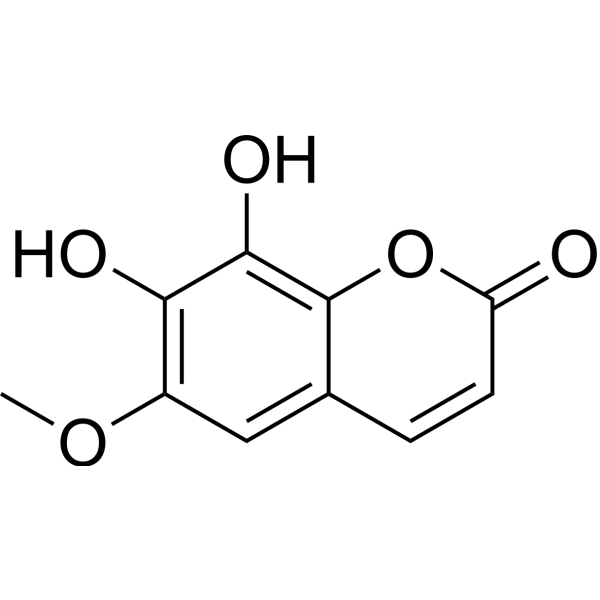
Cat. No.: HY-N0580
CAS No.: 574-84-5
Fraxetin is isolated from Fraxinus rhynchophylla Hance and has oral bioactivity. Fraxetin has anti-tumor, antibacterial, antioxidant, and anti-inflammatory effects. Fraxetin can induce cell apoptosis .
2
2 Cited Publications
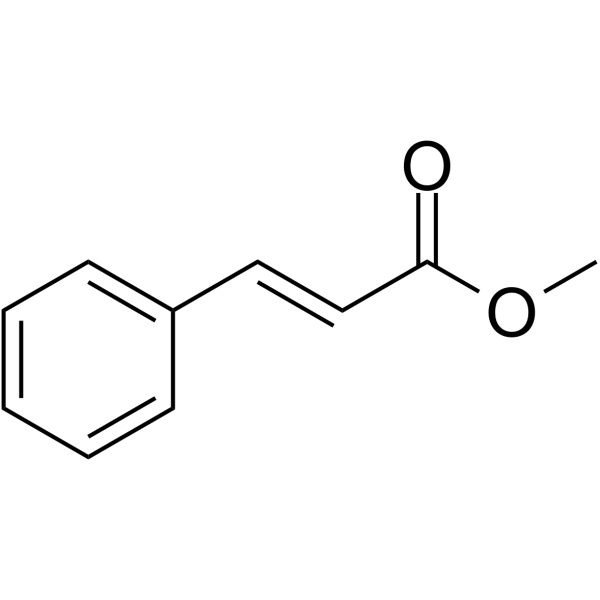
Cat. No.: HY-W017212
CAS No.: 103-26-4
Synonyms: Methyl 3-phenylpropenoate
Methyl cinnamate (Methyl 3-phenylpropenoate), an active component of Zanthoxylum armatum, is a widely used natural flavor compound. Methyl cinnamate (Methyl 3-phenylpropenoate) possesses antimicrobial activity and is a tyrosinase inhibitor that can prevent food browning. Methyl cinnamate (Methyl 3-phenylpropenoate) has antiadipogenic activity through mechanisms mediated, in part, by the CaMKK2-AMPK signaling pathway .
1
1 Cited Publications
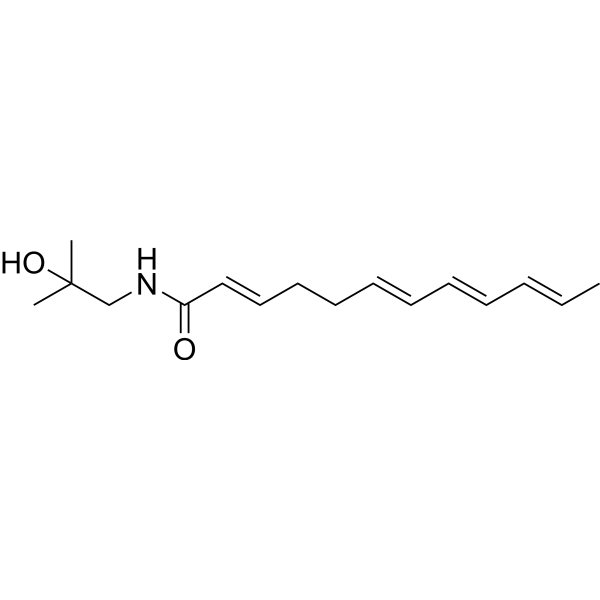
Cat. No.: HY-N6824
CAS No.: 97465-69-5
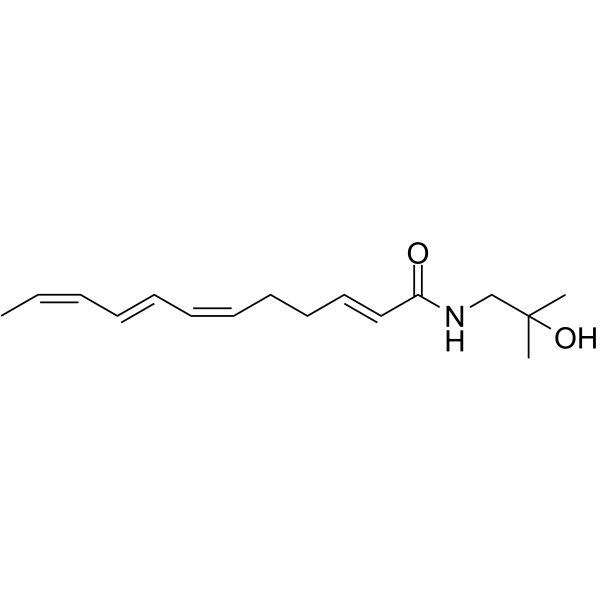
Hydroxy-β-sanshool is an alkylamide exists in Zanthoxylum bungeanum oil and Zanthoxylum schinifolium oil .
Cat. No.: HY-N1063
CAS No.: 90-24-4
Synonyms: Xanthoxyline
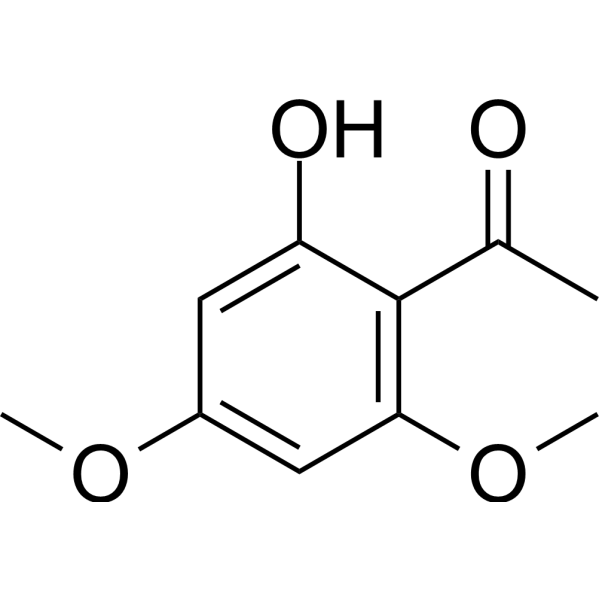
Xanthoxylin (Xanthoxyline) can be isolated from Zanthoxylum simulans. Xanthoxylin has antifungal and antioxidant effects. The MIC of Xanthoxylin against Toxoplasma neonatorum and Aspergillus fumigatus were 50 µg/mL and 75 µg/mL, respectively. Xanthoxylin can be used in the study of anti-epileptic diseases .
Cat. No.: HY-111880
CAS No.: 78886-65-4
Purity:  99.23%
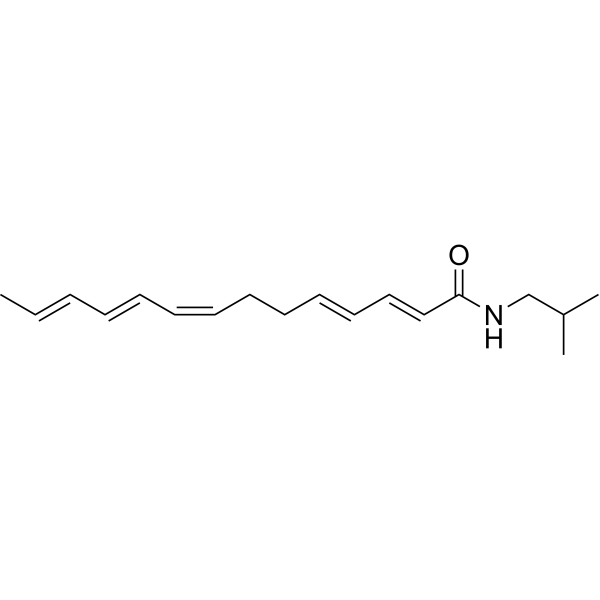
γ-Sanshool can be isolated from Zanthoxylum piperitum. γ-Sanshool inhibits human ACAT-1 and ACAT-2 activities with IC50s of 12.0 and 82.6 μM .
Cat. No.: HY-N10879
CAS No.: 1036-72-2
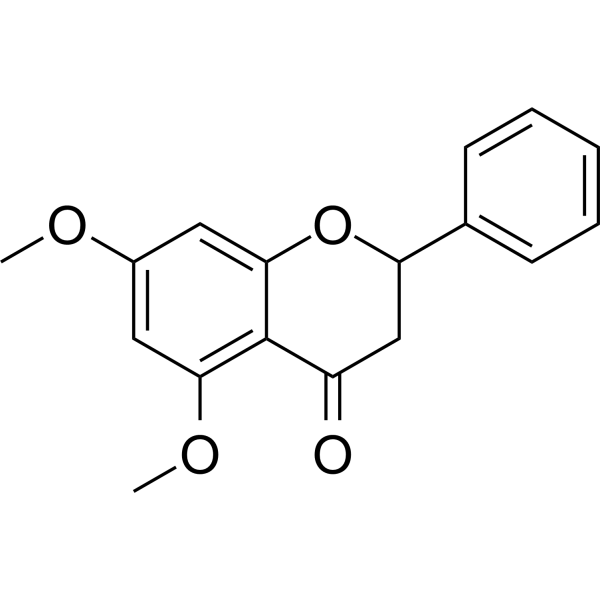
5,7-Dimethoxyflavanone is an active compound. 5,7-Dimethoxyflavanone can be Isolated from the roots of Zanthoxylum nitidum .
Cat. No.: HY-N3139
CAS No.: 529-40-8
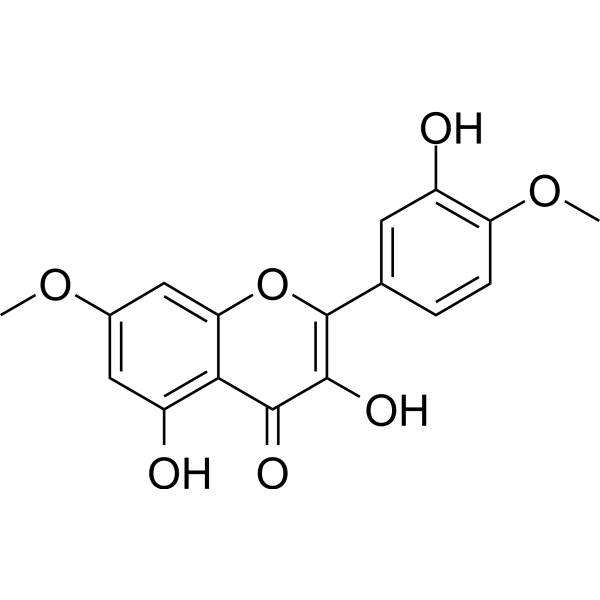
Ombuin, isolated from Zanthoxylum armatum, displays broad spectrum antibacterial effect with MIC ranges from 125 to 500 μg/mL .
Cat. No.: HY-N7013
CAS No.: 252193-26-3
Hydroxy-Epsilon-Sanshool is an alkylamide isolated from Zanthoxylum bungeanum. Hydroxy-Epsilon-Sanshool produces key tingling and numbing chemosensates, and its content is important in determinant the pungency intensity of Zanthoxylum bungeanum .
Cat. No.: HY-N3102
CAS No.: 3690-05-9
Synonyms: p-Hydroxycinnamyl alcohol
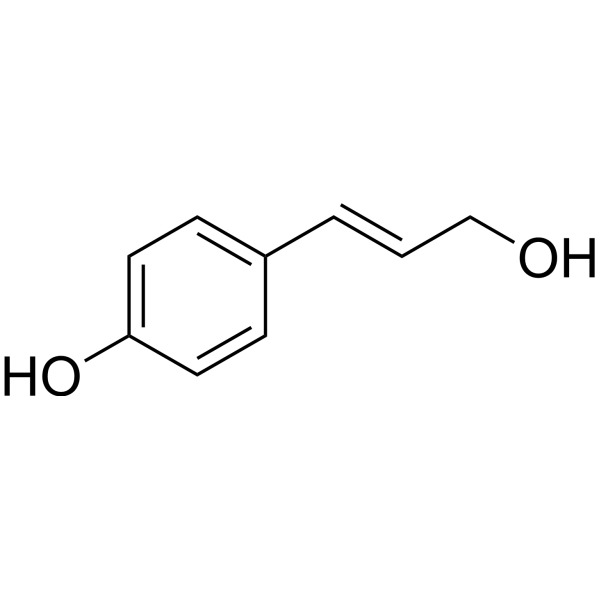
p-Coumaryl alcohol is an antioxidant that can be isolated from Alpinia officinarum Hance. p-Coumaryl alcohol has inhibitory effect during the autoxidation of methyl linoleate .
Cat. No.: HY-139440
CAS No.: 56217-82-4
Purity:  99.54%
Research Areas:  

Others

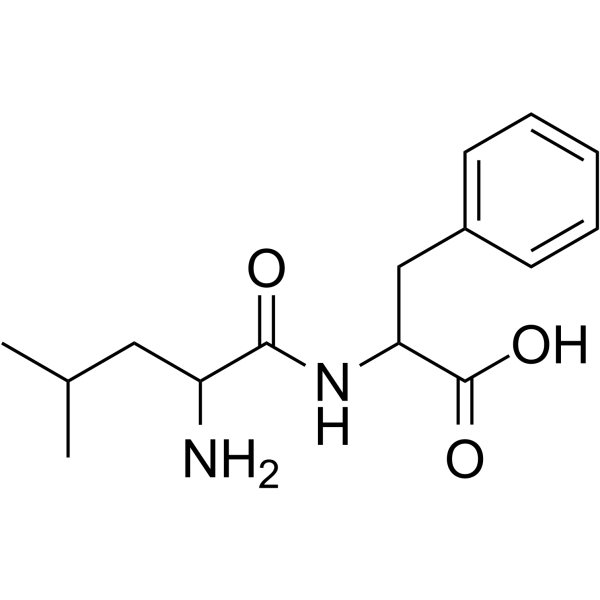
DL-Leucyl-DL-phenylalanine is a dipeptide and can be used as a substrate to detecte two regions of dipeptidase staining on a gel in Drosophila simulans as well as in Drosophila melanogaster .
Cat. No.: HY-134650
CAS No.: 100667-52-5
(4E)-7-(4-Hydroxyphenyl)-1-phenylhept-4-en-3-one (Compound 8) is a diarylheptanoid containing two benzene rings. Diarylheptanoid is widely distributed in Alpinia, and exhibits cytotoxic, anti-inflammatory, antiplatelet, antioxidant, and antiproliferative activities .
Cat. No.: HY-N0580R
CAS No.: 574-84-5
Fraxetin (Standard) is the analytical standard of Fraxetin. This product is intended for research and analytical applications. Fraxetin is isolated from Fraxinus rhynchophylla Hance. Fraxetin has antitumor, anti-oxidation effects and anti-inflammory effects. Fraxetin induces apoptosis .
Cat. No.: HY-N1063R
CAS No.: 90-24-4
Synonyms: Xanthoxyline (Standard)
Xanthoxylin (Xanthoxyline) can be isolated from Zanthoxylum simulans. Xanthoxylin has antifungal and antioxidant effects. The MIC of Xanthoxylin against Toxoplasma neonatorum and Aspergillus fumigatus were 50 µg/mL and 75 µg/mL, respectively. Xanthoxylin can be used in the study of anti-epileptic diseases .
Cat. No.: HY-N4164
CAS No.: 80554-58-1
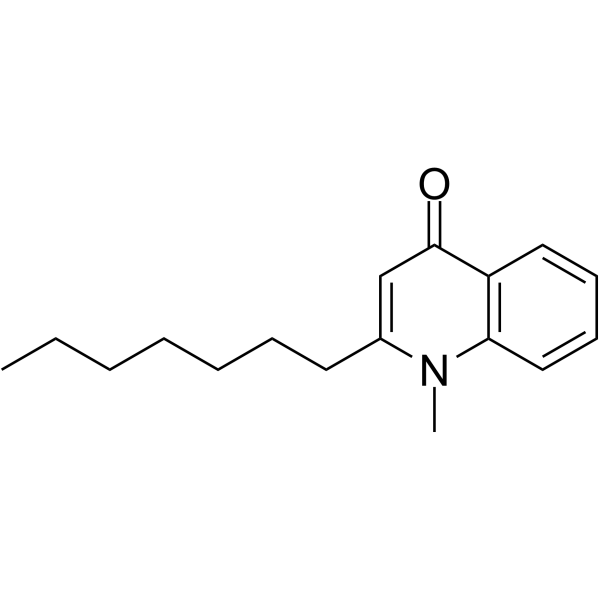
Schinifoline is a 4-quinolinone found in Zanthoxylum schinifolium. Schinifoline can inhibit cancer cells proliferation, cause G2/M phase arrest and induce apoptosis. Schinifoline can improve radiosensitizing effect of cancer cells. Schinifoline shows anti-fungal activity. Schinifoline can be used for the researches of cancer and infection, such as lung cancer and C. albicans infection .
Cat. No.: HY-N0789
CAS No.: 509-18-2
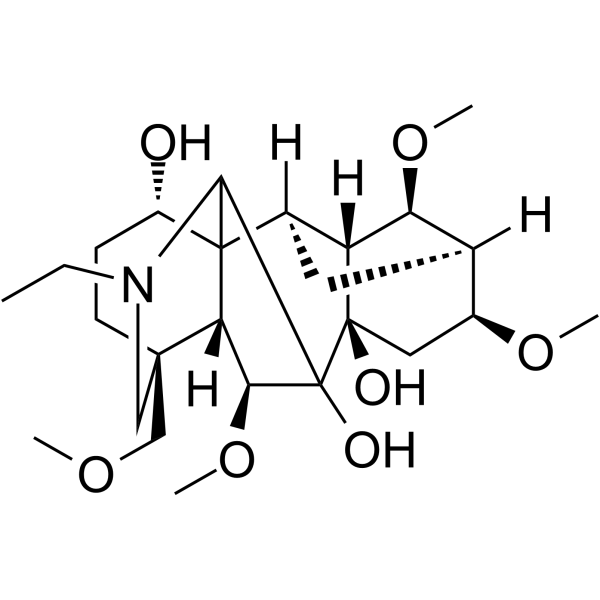
Delsoline, a major alkaloid of Delphinium anthriscifolium Hance, has both a curare-like effect and a ganglion-blocking effect and is used to relieve muscle tension or hyperkinesia. D. anthriscifolium Hance has effects of dispelling wind and dampness, activating collaterals, and relieving pains and is used to treat rheumatism, hemiplegia, indigestion, and cough .
Cat. No.: HY-N10890
CAS No.: 1041740-13-9
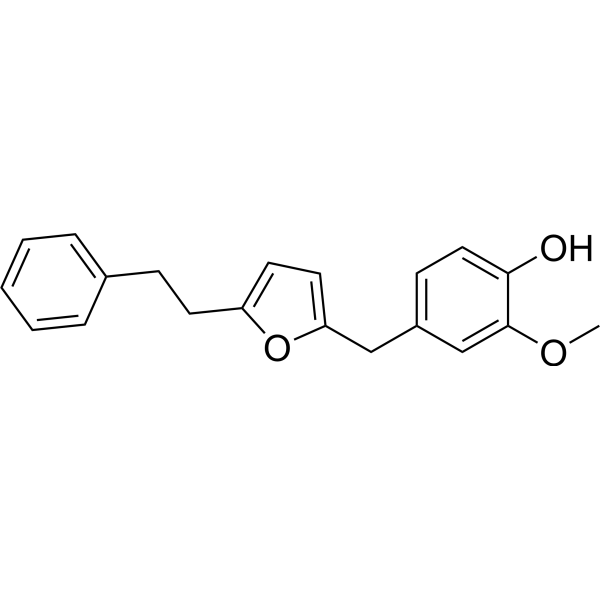
Alpinoid D, a diarylheptanoid, can be isolated from the MeOH extract from the rhizomes of Alpinia officinarum Hance. Alpinoid D shows cytotoxic effect against IMR-32 human neuroblastoma cell line .
Cat. No.: HY-N3700
CAS No.: 54354-62-0
Synonyms: Rutaceline
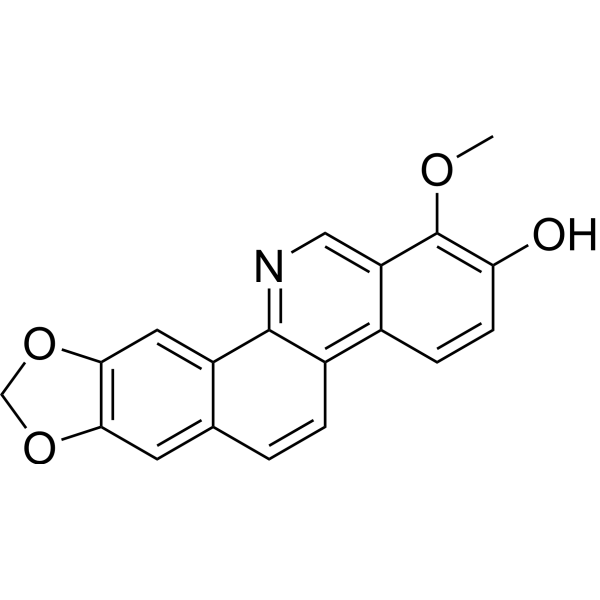
Decarine (Rutaceline) is a benzophenanthridine alkaloid found in Zanthoxylum species. Decarinewith shows anti-inflammatory, antimycobacterial, and anti-HIV activity. Decarine inhibits NO, TNF-α, IL-1β, IL-6, and IL-8 production in inflammatory cell models. Decarine inhibits growth of Mycobacterium tuberculosis strains, reduces intracellular Mycobacterium tuberculosis survival, and shows low cytotoxicity toward human macrophages. Decarine inhibits HIV replication in acutely infected lymphocytes. Decarine can be used for the researches of inflammation, tuberculosis, and HIV infection .
Cat. No.: HY-N1053
CAS No.: 64190-94-9
Zanthobungeanine is a Alkaloids product that can be isolated from the roots of Zanthoxylum nitidum. .
Cat. No.: HY-W437569
CAS No.: 568-01-4
Melicopine is an alkaloid found in Z. simulans with antimalarial and anticancer activities. It exhibits inhibitory activity against chloroquine-sensitive 3D7 and chloroquine-resistant Dd2 strains of P. falciparum, with IC50 values of 29.7 and 33.7 µg/mL, respectively. Melicopine is cytotoxic to prostate cancer cells PC-3M and LNCaP (IC50 values of 47.9 and 37.8 µg/mL), but has no effect on non-cancerous HEK293 cells (IC50 greater than 100 µg/mL). Melicopine holds promise for research in anticancer and anti-infection fields .

